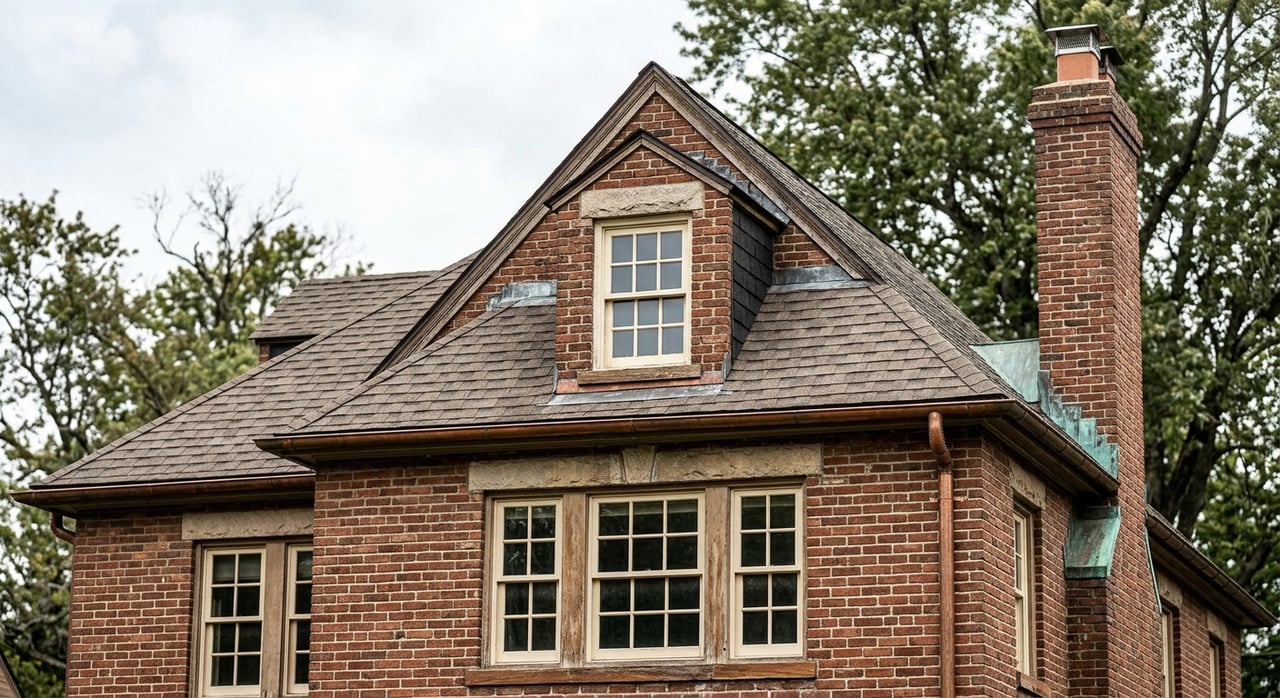
Worried that a beautiful older Kenilworth home could come with expensive surprises? That concern is valid, especially in a village where historic character, mature landscaping, and aging infrastructure all shape what you may be buying. The good news is that with the right due diligence, you can enjoy the charm of a historic home and avoid many of the common pitfalls. Here’s what to look for before you buy, what questions to ask, and how to plan ahead with confidence. Let’s dive in.
Kenilworth was planned as a residential community with large lots, streets designed for sunlight, underground utilities, and high construction standards. Today, the village still describes itself as a fully built-out, well-forested community made up mainly of detached single-family homes.
That planning history helps explain why the housing stock feels so cohesive and why historic homes here attract so much attention. It also means older houses often come with site, system, and renovation considerations that are easy to miss if you focus only on finishes.
Buyers in Kenilworth often see a wide range of historic styles, including Queen Anne, Prairie, Arts & Crafts, Colonial Revival, Tudor Revival, and Italian Renaissance Revival. According to the Kenilworth Historical Society’s Centennial Homes materials, Colonial Revival is the most prevalent style in its 2008 survey, followed by Tudor Revival.
Different parts of the village can also feel different block by block. Earlier sections tend to lean more Queen Anne and Prairie, while areas annexed in the 1920s often show more Colonial Revival and Tudor Revival homes.
One of the biggest mistakes buyers make is assuming a whole neighborhood is treated the same way. In Kenilworth, historic considerations should be checked house by house, because the exact property and the exact scope of future work matter more than the neighborhood label.
That matters if you plan to renovate. The village’s publicly posted preservation bodies show that demolition review is handled by the Building Review Commission, which can become important if a future project is substantial.
Historic homes can be rewarding to own, but they need a closer look. In Kenilworth, the biggest surprises often involve older materials, hidden infrastructure issues, and site conditions tied to mature landscaping and drainage.
If a home was built before 1978, lead-based paint is more likely to be present. Buyers of most pre-1978 housing have the right to know about any known lead hazards before signing.
If you plan to renovate, this becomes even more important. Renovation work that disturbs lead paint should be handled by certified lead-safe firms and renovators.
Asbestos is another common concern in older homes. It has been used in materials such as insulation, roofing shingles, ceiling and floor tiles, siding, pipe wrap, and textured paint.
You cannot reliably identify asbestos just by looking at it. If suspect materials are damaged or may be disturbed during renovations, they should be tested by a qualified professional.
Kenilworth’s own planning materials note that some village water mains are more than 110 years old and some sewers are more than 100 years old. For buyers, that makes private service lines and sewer laterals especially important during due diligence.
Residents are responsible for the water service line from the village main to the meter, although on some streets the village has taken ownership from the main to the buffalo box while the resident remains responsible for the rest. Residents are also responsible for the sanitary sewer lateral from the house to the village connection point, including under public rights-of-way.
This is one of those details that can create a real post-closing surprise if you do not ask early. The village says homeowners can check service-line material in the village portal, and it adopted a 2026 lead-water-service-line cost-sharing program that can reimburse up to 50% of eligible costs.
Kenilworth describes itself as well-forested and substantially landscaped, with a mature tree canopy that shapes the character of the village. That beauty can also affect site work and long-term maintenance.
The village’s site-work permit rules require a tree preservation plan, drainage and grading review, and inspections when a project changes runoff, raises ground elevation, or disturbs 200 square feet or more. For buyers, that means tree roots, yard drainage, and stormwater planning deserve serious attention, especially if a basement has had moisture issues or you hope to rework the lot.
A standard home inspection is a good starting point, but it usually should not be the end of the story with a historic home. A more layered approach can help you understand what you are really buying.
Begin with a general home inspection to get a broad picture of the property’s condition. This can help flag visible issues with structure, roofing, plumbing, electrical systems, HVAC, and moisture.
For an older Kenilworth house, the general inspection often tells you where you need more specialized reviews. Think of it as the first step in narrowing down risks, not the final word.
Depending on the age and condition of the home, it often makes sense to bring in specialists. A practical inspection stack may include:
This approach lines up well with the main risks identified in village materials and EPA guidance. It can also help you decide whether a home is the right fit for your budget and renovation goals.
The right questions can reveal far more than a listing description. If you are considering a historic Kenilworth home, these are some of the most useful ones to ask before making an offer or during attorney review.
These questions matter because the future cost of ownership often depends on what is behind the walls, below the yard, and in the permit file.
Many buyers fall in love with a historic home and immediately start picturing a new kitchen, updated windows, or expanded living space. In Kenilworth, it is smart to match that vision with the village’s permit process before you close.
The village says interior remodels require a permit application, contractor scope, architectural plans, a current plat of survey, and a site plan. Initial review is typically 5 to 10 working days.
The village’s permit pages also show that many common historic-home projects can require permits, including additions, roofs, windows and doors, drainage and grading, decks and porches, chimneys and fireplaces, and site work. Inspection scheduling is limited, and same-day re-inspections are not available, so project timelines can stretch more than buyers expect.
For new construction or substantial renovation, builders and contractors must meet with the Police Department Services Division supervisor. That meeting covers traffic, parking, emergency access, delivery logistics, and neighborhood safety.
If a project removes 50% or more of a building’s floor area or 50% or more of the street-facing walls or facade structure, a demolition permit is required. Adjacent owners must be notified, and the Building Review Commission can delay a demolition permit for up to one year if the property appears historically or architecturally significant.
Owning a historic home is not only about risk management. In some cases, there may also be planning advantages if your property and project qualify.
Illinois offers a Historic Residence Assessment Freeze program that can matter for buyers planning major rehabilitation. The program can freeze the assessed value of an owner-occupied historic principal residence for eight years, then phase it back to market levels over four years.
To qualify, the rehabilitation must meet the Secretary of the Interior’s Standards, and eligible expenses must equal at least 25% of the assessor’s pre-rehab fair cash value within 24 months. Qualification depends on the property’s historic status and the specific rehabilitation.
If you are concerned about water-line replacement costs, Kenilworth’s 2026 lead-water-service-line cost-sharing program is worth asking about early. Under the ordinance, the village may reimburse up to 50% of eligible costs for certain lead line replacements, subject to program rules and reimbursement caps.
That is one more reason to confirm service-line status before closing, not after you move in.
Buying a historic Kenilworth home is often less about avoiding old-house issues entirely and more about understanding them before they become your responsibility. The strongest buyers go in with clear expectations, a good inspection strategy, and a realistic renovation plan.
If you are drawn to Kenilworth for its architecture, mature streetscapes, and long-term appeal, careful planning can help you enjoy the character without getting blindsided by preventable costs. And when you have local guidance, it becomes much easier to connect the home’s charm with the practical realities of ownership.
If you’re thinking about buying in Kenilworth and want a clear, local perspective on the homes, the process, and the questions to ask, connect with Julie Bird. Our team is here to help you move forward with confidence.
We are committed to guiding you every step of the way—whether you're buying a home, selling a property, or securing a mortgage. Whatever your needs, we've got you covered.
Contact UsAddress
Evanston, IL
Julie Bird
(480) 250-5832
[email protected]
Emma Bird
(480) 299-1810
[email protected]
Catherine Riddle
(847) 609-8352
[email protected]