Are you worried about surprise condo fees in Edgewater? You’re not alone. Between aging lakefront buildings and active city inspection programs, buyers often wonder how reserves and special assessments will affect their bottom line. In this guide, you’ll learn what reserves and reserve studies mean, how special assessments work, how to read budgets and minutes, and the common building risks in Edgewater so you can plan with confidence. Let’s dive in.
Reserves explained: what they cover
A condo’s reserve fund is money set aside for predictable, non-annual capital repairs and replacements. Think roofs, boilers, elevators, exterior masonry, parking structures, windows, and major mechanical systems. Reserves are different from the operating budget that pays day-to-day expenses like utilities, cleaning, and management.
The clearest picture of future needs comes from a professionally prepared reserve study. An engineer or reserve specialist inspects the building, lists major components, estimates remaining useful life, projects replacement costs, and recommends annual contributions to stay on track. Updates may be full studies with site visits or lighter updates that refresh numbers.
Why reserve studies matter in Edgewater
Edgewater’s mix of vintage masonry walkups, mid-century high-rises, and larger towers means reserve needs can be concentrated and costly. Older buildings often face near-term tuckpointing, roof work, or elevator modernization. A current reserve study helps you see what is coming and whether the association is budgeting enough to avoid frequent special assessments.
What to look for in reserve reports
- Date of the most recent study and when the next update is planned.
- Whether the annual budget follows the study’s recommended contribution.
- Current reserve balance and a schedule of upcoming projects.
- Any formal reserve funding policy adopted by the board.
- Notes that components are past expected life or repairs are being deferred.
Simple signals of reserve strength
- Funded ratio: current reserve balance divided by the estimated current replacement cost of all components. Higher is better, but there is no one-size-fits-all target.
- Trends: repeated transfers from reserves to operations or shrinking reserve balances are warning signs.
Special assessments: the basics
A special assessment is an extra charge to owners beyond monthly dues to cover unexpected or non-budgeted costs. This can include major repairs, emergency fixes, code compliance, or projects that outsize current reserves.
Common Edgewater triggers
- Emergency repairs due to water intrusion, storm damage, or boiler failure.
- Deferred maintenance such as exterior masonry, roof replacement, or window projects.
- Repairs required after municipal inspections or code enforcement.
- Large capital items where reserves fall short, like full elevator modernization or parking garage remediation.
- Insurance deductibles or uncovered losses after a claim.
How approvals and timing work
Approval rules live in the association’s declaration and bylaws, with baseline rights set by the Illinois Condominium Property Act. Voting thresholds vary by building. Some boards may levy emergency assessments within limits. Associations typically notify owners of the purpose, amount, timing, and payment options, and meeting minutes often record the votes and details. Always review the subject building’s declaration and bylaws for the exact process.
Payment options and lender impacts
Owners may pay a special assessment at closing or over time if payment plans are offered. Some associations borrow to spread costs, which can increase monthly dues during the loan term. Lenders review condo finances for project eligibility and may be cautious with large outstanding assessments or minimal reserves. Share potential assessments with your lender early so there are no surprises.
Read budgets and minutes like a pro
Before you make an offer, request the building’s financials and minutes. These documents tell the story of past decisions and future plans.
Documents to request
- Year-to-date balance sheet and profit and loss statement.
- Current operating budget and detailed reserve schedule.
- Most recent reserve study and any updates.
- Minutes of board and membership meetings from the last 12 to 24 months.
- Estoppel certificate or payoff letter for the unit.
- Declaration, bylaws, rules, and any amendments.
- Insurance certificate and claims history.
- Recent bids or contracts for planned capital work, plus loan documents if the association has borrowed.
- Building inspection reports and any façade or safety program reports if available.
Budget review checklist
- Compare the budget’s reserve contribution to the reserve study’s recommendation. A large gap suggests future assessments.
- Watch for one-time expenses sitting in the operating budget. Repeated “one-offs” may signal higher true operating costs.
- Question large capital or contingency lines with little detail.
- Note big jumps in utilities, management fees, or insurance. Rising costs often flow through to owners.
- Verify how any garage, storage, or commercial income is used and whether it supports capital needs.
Minutes review checklist
- Bids and contractor discussions for major projects, including dates and amounts.
- Engineer, reserve study, or condition assessment updates.
- Votes authorizing loans, borrowing, or special assessments and their timing.
- Insurance claims, litigation, code violations, or municipal orders.
- Owner complaints that repeat over time, such as water intrusion or elevator outages.
- Phasing plans and timelines for big projects.
Red flags to watch for
- No reserve study or one older than 3 to 5 years.
- Budgeted reserve contributions far below recommended levels.
- Minutes referencing emergency repairs, urgent façade work, or deferred maintenance without a plan.
- High delinquencies or difficulty collecting assessments.
- Repeated special assessments within a few years or projects that keep shifting scope and timelines.
Edgewater building types and risk snapshot
Edgewater’s building stock spans decades, and that history shapes capital needs.
- Vintage masonry and co-ops: Expect tuckpointing, cornice repair, parapet stabilization, and window refurbishment or replacement. Central heating systems may need boiler or distribution upgrades.
- Mid-century high-rises: Boiler replacement, elevator modernization, waterproofing of roofs and decks, and exterior repairs are common big-ticket items. Buildings with underground or podium parking may need slab remediation or structural waterproofing.
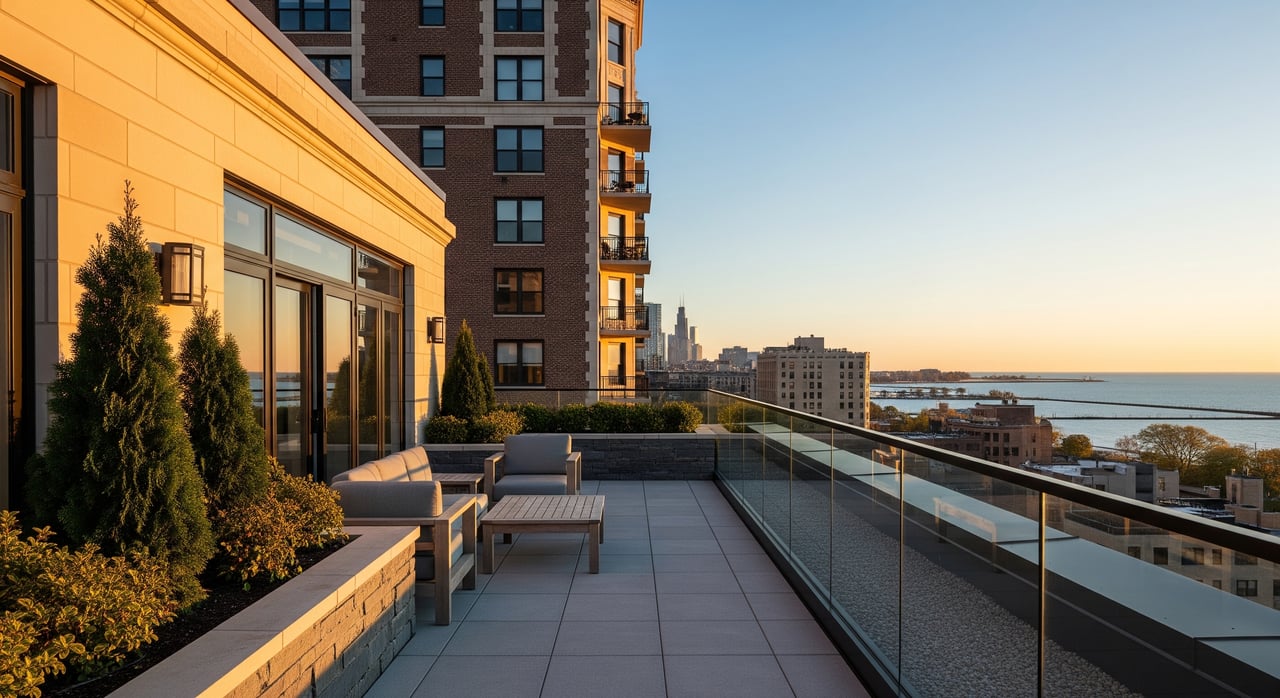
- Lakefront exposure: Proximity to the lake and Chicago’s temperature swings can accelerate exterior wear, especially on masonry and sealants, which raises the importance of timely façade maintenance.
Practical steps before you write an offer
Before writing an offer, ask the listing agent for the association’s budget, balance sheet, reserve study, and 12 to 24 months of minutes; plan to receive an estoppel certificate during the contract period; include a clear document-review contingency; discuss the association’s finances with your lender to confirm project eligibility; and escalate any red flags such as low reserves, pending large projects, or recent litigation to a real estate attorney or inspector for guidance.
Smart contract protections
- Make the contract contingent on satisfactory review of association documents within a set timeline.
- Require an estoppel certificate confirming assessment status before closing. Associations often charge a fee and need a short lead time to issue it.
- If a large project is pending, negotiate who pays the assessment and consider an escrow holdback or price adjustment.
- If the association has borrowed, review loan terms and how monthly dues will change over the repayment period.
Co-ops vs condos: what changes
Some Edgewater buildings are cooperatives. Co-ops and condos both maintain common elements and collect fees, but co-ops may use different financing and assessment mechanisms authorized by the board. Shareholder assessments and building loans can affect monthly carrying costs in different ways. Review the building’s governing documents and minutes closely to understand how costs are approved and shared.
Scenario snapshots
- Vintage walkup with masonry needs: The reserve study shows parapet and tuckpointing work due within two years and single-pane windows beyond expected life. The budget funds reserves below recommendations. Expect either a catch-up increase in contributions or a special assessment.
- Mid-century high-rise elevator project: Minutes record bids for a full elevator modernization and a board vote to secure a loan. Monthly assessments will rise during the loan term. Check the loan documents and timeline so you can model total cost.
- Parking structure remediation: Minutes reference engineer reports and phasing. If reserves are limited, the association may structure multi-year assessments or borrowing. Ask for the phasing plan and contracts.
Local programs that can drive repairs
Chicago Department of Buildings permits, inspections, and façade safety programs can trigger required capital work. Older masonry and high-rise exteriors in Edgewater may face mandated repairs after inspections. Reviewing permits, violation notices, and façade reports can help you anticipate timing and cost exposure noted in the minutes and budgets.
Final thought
Strong reserves and clear plans are your best protection against surprise costs. When you compare the reserve study, budget, and minutes, you see not just what a building owes to itself in future repairs, but also how the board manages toward those commitments. If the numbers and notes tell a consistent story, you can buy with more confidence.
If you want a calm, clear walkthrough of a building’s reserves and assessments before you commit, we’re here to help. Reach out to Julie Bird for thoughtful guidance on Edgewater and nearby North Shore options.
FAQs
What is a condo reserve fund and why does it matter?
- A reserve fund covers predictable, non-annual capital repairs like roofs, boilers, elevators, and masonry. Healthy reserves reduce the chance of large surprise assessments.
How often should a condo do a reserve study?
- Many associations update every few years. Look for a recent study and check whether the budget follows the recommended annual contributions.
What is a special assessment and when is it used?
- It is an extra charge to owners for unplanned or underfunded capital work, emergency repairs, or costs required by inspections or code compliance.
How can I tell if a building is at risk of an assessment soon?
- Compare reserve contributions to the study’s recommendations, read minutes for bids and engineer reports, and note any deferred maintenance or municipal orders.
What is an estoppel certificate and when do I get it?
- It confirms the unit’s assessment status and any pending special assessments. Lenders and title companies rely on it, and associations usually charge a fee to issue it.
Will a special assessment affect my mortgage approval?
- It can. Lenders review reserves and outstanding assessments. Share potential assessments with your lender early to confirm project eligibility.