Imagine waking up to Lake Michigan light, walking a few minutes to a sandy public beach, then coming home to a classic Tudor or Prairie School gem. If you’re weighing a move to Highland Park, you likely want the best of shoreline access and historic character without surprises during due diligence. In this guide, you’ll get clear, local context on beaches and passes, historic districts and renovation rules, pricing signals, and a practical buyer checklist. Let’s dive in.
Highland Park sits on Chicago’s North Shore with direct Lake Michigan frontage and a lively, walkable core. The population is about 30,176, with recent household income estimates in the upper six figures, according to U.S. Census QuickFacts.
Cultural life centers on the long-running Ravinia Festival, which brings a full season of concerts and summer energy. Commuting is straightforward thanks to Metra’s Union Pacific North Line; explore the Highland Park station and nearby stops in Ravinia and Braeside. Families appreciate clear K–12 coverage by North Shore School District 112 and Township High School District 113. Always confirm school boundaries for a specific address.
You have four primary public shoreline assets managed by the Park District of Highland Park. From north to south, they are Moraine Beach, Park Avenue Boating Facility, Millard Beach, and Rosewood Beach. The Park District’s Beach Management Plan outlines amenities, operations, and long-term coastal stewardship.
Rosewood is the community’s main guarded swim beach. During swimming hours, you’ll need individual access passes. Lakefront parking requires a separate decal for designated lots. You can review current details on the Park District’s Rosewood Beach page. If you have a dog, note that Moraine Dog Beach uses a membership system with its own permit and parking rules.
High water and erosion events in 2019–2020 impacted local bluffs and beaches. The Park District’s Beach Management Plan documents shoreline dynamics, FEMA flood elevations for facilities, and recommended approaches to nourish and stabilize lakefront. If you’re considering a bluff-top or shoreline property, plan for specialized inspections, verify flood zones and base flood elevations, and budget for long-term maintenance. Your insurer and lender can help determine if flood insurance is required.
Highland Park’s architectural character is one of its greatest strengths. Multiple National Register and local historic districts include Linden Park Place/Belle Avenue, Hazel Avenue/Prospect Avenue, Maple Avenue/Maple Lane, the Ravinia Park Historic District, and parts of Fort Sheridan. The city’s Historic Preservation Plan and Commission guide exterior changes in designated areas.
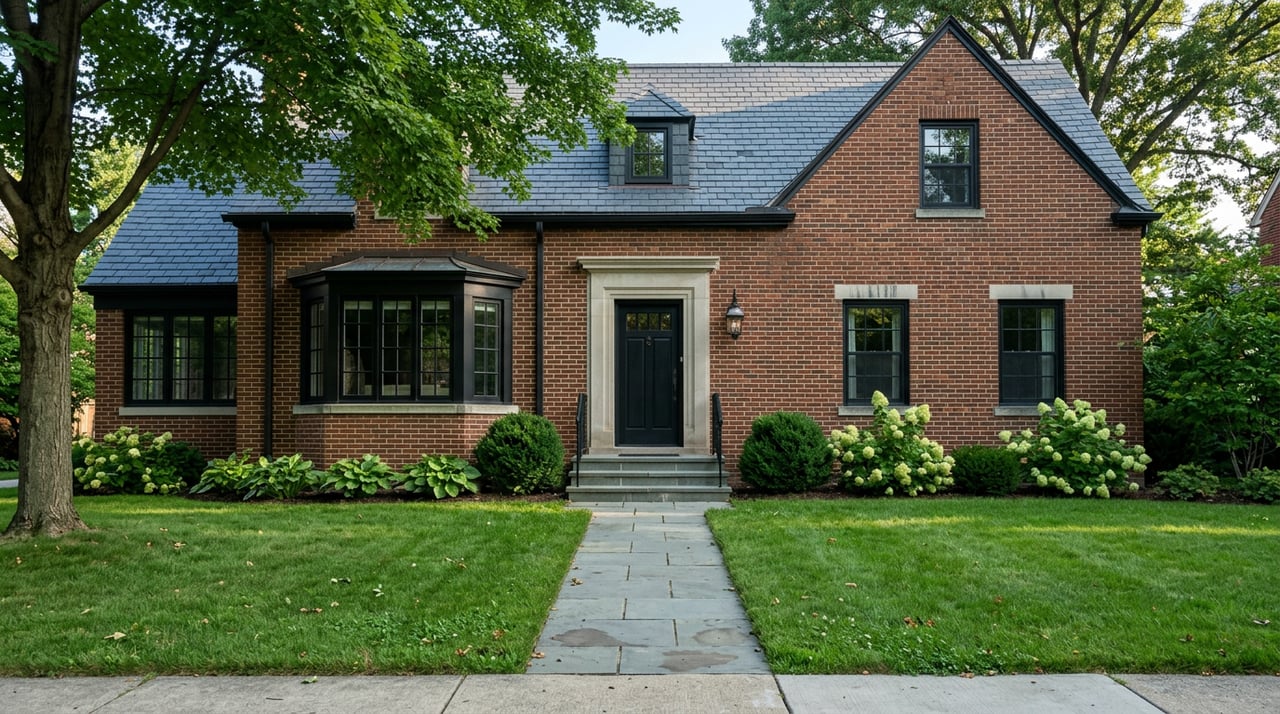
You’ll see Victorian-era homes, Italianate, Colonial and Colonial Revival, Tudor Revival, Prairie School, Craftsman, American Foursquare, Shingle style, and mid-century modern influences. Many homes blend preserved exteriors with updated interiors and systems, offering modern comfort with period detail.
Buying in a local historic district may involve design review for exterior work. If you plan a major remodel or demolition, engage early with the Historic Preservation Commission. Properties in Fort Sheridan can have additional easements and oversight; learn more about the historic district and lakeshore preserve via the Lake County Forest Preserves Fort Sheridan page. Early planning helps you set timelines and budgets with confidence.
Ravinia’s summer season shapes neighborhood rhythm and pride of place. Industry coverage has tied proximity to outdoor music venues like Ravinia to measurable value impacts; one study cited a notable premium for homes within walking distance compared to the broader ZIP code. See the Inman summary on how venues can boost nearby home values.
Walkable blocks near the downtown Metra station, access to lakefront parks, and architecturally consistent streetscapes also support demand. When you compare properties, look closely at lot position on or off the bluff, distance to beaches or Ravinia, and the degree of historic oversight. These features often explain price differences between otherwise similar homes.
Highland Park sits in the upper tier of Chicago-area suburbs. Recent MLS-based community reporting shows a 2025 year-to-date median sale price around 855,555 dollars for detached single-family homes. Always check current figures for your target neighborhood and date the metric you use. Review the community market stats in this MLS-based report.
Micro-markets vary. Lakefront estates and Ravinia-adjacent homes commonly trade at a premium. Well-presented historic homes that combine updated systems with preserved facades tend to move quickly, especially in peak seasons. A strong pre-approval, clear timelines, and flexible terms can help you compete for top listings.
You deserve a smooth, informed search that respects your time and your vision. Our boutique team pairs neighborhood-savvy guidance with design-forward thinking, so you can evaluate historic character, renovation scope, and lakefront considerations with clarity. We’ll connect you with the right inspectors and shoreline or preservation experts, craft a competitive offer strategy, and line up trusted vendors for market prep if you’re selling to buy.
Ready to explore lakefront living and historic homes in Highland Park? Reach out to Julie Bird to start a focused search or get a pricing read on your current home.
We are committed to guiding you every step of the way—whether you're buying a home, selling a property, or securing a mortgage. Whatever your needs, we've got you covered.
Contact UsAddress
Evanston, IL
Julie Bird
(480) 250-5832
[email protected]
Emma Bird
(480) 299-1810
[email protected]
Catherine Riddle
(847) 609-8352
[email protected]