Dreaming about a first home where you can walk to the lake, hop on the CTA, and meet friends for dinner nearby? If Lincoln Park is on your short list, you are not alone. Many first-time buyers love the neighborhood’s energy, parks, and quick downtown access, but want clarity on price, building types, HOA rules, and how to win the right condo. In this guide, you’ll learn today’s market picture, what to look for in different buildings, how to review an HOA, how financing works for condos, and ways to write a strong offer. Let’s dive in.
Quick market snapshot
Lincoln Park is a sought-after, walkable neighborhood with a broad mix of condos, townhomes, and single-family homes. The overall market skews higher-priced, but entry points exist for first-time buyers.
- Median sale price, Feb 2026: $753,500 across all home types, and Redfin labels the area “somewhat competitive,” with homes often selling in about 50 to 60 days. See the latest on the Redfin Lincoln Park market page.
- Condo pricing varies by building and size. Zillow’s neighborhood view shows a similar price band in the mid to high $700Ks for the area as a whole, not condo-only. Use it as context, then verify condo comps by building and unit size. Check Zillow’s Lincoln Park values overview.
- Competition dynamics: The sale-to-list ratio hovers near 100%, and some listings sell above list. “Hot” homes can go pending quickly, which rewards well-prepared buyers who act fast. See Redfin’s local trends.
Practical takeaway: You can find a solid first condo here, but the best values move quickly. Get fully preapproved, review building details in advance, and be ready to write when the right unit hits.
What you will find: condo building types
Lincoln Park offers everything from classic walk-ups to newer high-rises. Understanding the tradeoffs helps you focus your search and budget.
Vintage walk-ups and greystones
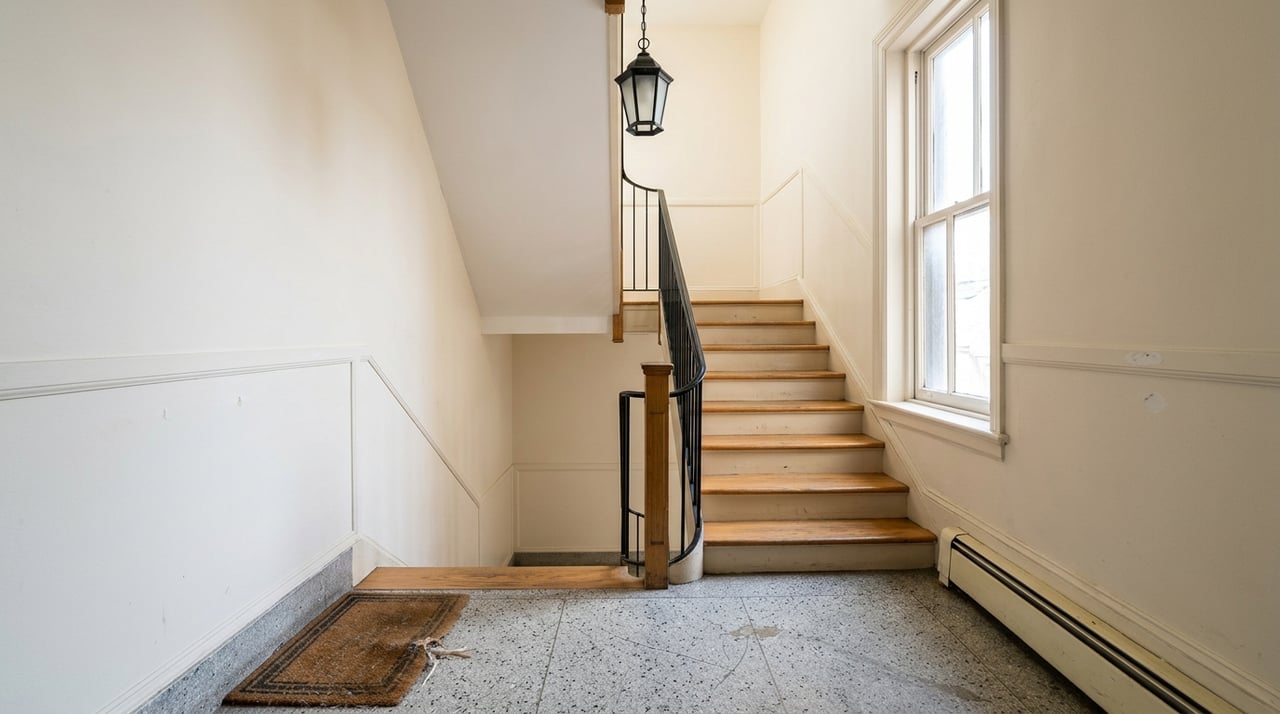
These are Chicago icons, often two- or three-flat conversions with one unit per floor. Expect high ceilings, original millwork, and stairs. Elevators are rare. Many have smaller HOAs, but maintenance responsibilities can be more hands-on.
- Pros: Character and charm, often a better price per square foot, smaller associations that may keep dues lower.
- Cons: Possible older systems, less sound isolation, limited or no parking, and no elevator. Laundry may be in-unit or shared.
For context on this housing style, explore the Chicago Architecture Center’s overview of two- and three-flats.
Mid-rise buildings
Mid-rises typically run 5 to 12 stories and include elevators, bike storage, and sometimes a fitness room. HOAs tend to be moderate compared with luxury towers. You trade fewer amenities for lower carrying costs.
- Pros: Elevator convenience, a range of unit sizes, often better accessibility than walk-ups.
- Cons: Limited amenities compared with new towers, parking availability varies by building.
New construction and high-rises
Newer boutique buildings and larger towers deliver modern layouts, central HVAC, and amenity spaces like rooftop decks, gyms, and in-building parking. You pay a premium for finishes and staff, and monthly dues are typically higher.
- Pros: Turnkey finishes, strong amenity packages, often better soundproofing and storage.
- Cons: Higher purchase prices and HOA fees, plus potential for more rules on rentals or renovations.
Everyday life details to compare
- Elevator vs. walk-up living and move-in logistics
- Laundry setup: in-unit vs. shared
- Parking: deeded, leased, or street-only, and monthly cost
- What HOA dues include: heat and water are sometimes included, but not always
- Storage, bike rooms, and package delivery options
- Rental policies if you plan to rent in the future
What HOA documents to review in Illinois
Illinois’ Condominium Property Act outlines what you are entitled to review during a resale. On written request, the association must provide key documents, including the recorded declaration, bylaws and rules, a statement of unpaid assessments, upcoming capital expenditures, reserve balances and funding, recent budgets and financials, pending litigation, and insurance coverage details. See the statute overview at the Illinois Condominium Property Act.
Start with these items first:
- Operating budget and recent financials. Look for balanced operations and reasonable expense trends.
- Reserve balance and the most recent reserve study. Adequate reserves are the strongest indicator an HOA can handle big projects without emergency assessments. Learn why reserves matter from industry guidance on reserve planning.
- Meeting minutes for the last 12 to 24 months. Minutes reveal upcoming projects, assessment discussions, and the board’s approach to maintenance.
- Insurance declarations page. Confirm the master policy type and deductible. Replacement-cost coverage is often preferred over ACV in lender review.
Red flags to pause on:
- Repeated special assessments in recent years or large unpaid liens
- Operating deficits or very low reserves paired with big projects like roof, exterior masonry, or elevator work
- Pending litigation against the association
- Master insurance with unusually high deductibles or ACV-only coverage that could affect financing
When in doubt, ask your attorney or a CPA to help interpret the financials. If you request the full packet in writing, the association must provide it within statutory timeframes. See details in the Illinois Condominium Property Act.
Financing and warrantability for condos
Condo financing depends on the building as much as your personal finances. Lenders check whether the project meets agency standards before approving standard conventional loans.
- Conventional loans and warrantability. Fannie Mae and Freddie Mac require condo projects to meet standards for insurance, reserves, owner-occupancy, and more. Ask your lender if the building is “warrantable.” See Fannie Mae’s Selling Guide and Freddie Mac’s Condo Project Advisor FAQ.
- FHA options. FHA allows financing for units in approved projects and offers a case-by-case single-unit approval process, which can add time. Learn about HUD’s single-unit approval process and Form HUD-9991 on the HUD resource page.
- If a project is ineligible. Some buyers turn to portfolio loans or pay cash. That may change your rate, down payment, or timeline.
Pro tip: Verify project eligibility with your lender early in the process, ideally before your first tour.
Location, transit, and lifestyle fit
Lincoln Park blends lakefront green space with strong transit and a lively dining scene. You are close to the namesake park, Lincoln Park Zoo, and the Conservatory for year-round recreation and open space. See a quick neighborhood snapshot on Redfin’s market page.
For commuting, Fullerton Station is a major CTA hub with Red, Brown, and Purple lines, and Armitage serves Brown and Purple. Buses along Clark, Halsted, and Fullerton add flexibility. Check schedules and connections on CTA’s Fullerton Station page.
Walk-test tip: Visit during your typical commute time, try your most likely train or bus route, and explore the dining corridors you will use most. You will quickly feel which blocks fit your daily rhythm.
How to make a strong first offer
In a somewhat competitive neighborhood, speed and clarity matter. Use these steps to position your offer well without sacrificing key protections.
- Line up financing. Secure a full preapproval, not just a prequalification. Keep earnest money funds readily available.
- Know your contingencies. Typical windows are often 7 to 14 days for inspection and condo document review, and about 21 to 45 days for financing and appraisal, depending on lender and loan type. Timelines are negotiable and can be shortened in stronger offers. Confirm exact terms with your attorney and lender.
- Move fast on logistics. Schedule your inspector as soon as you go under contract and start the condo packet review immediately.
- Stay competitive but prudent. Redfin notes Lincoln Park’s near-100% sale-to-list ratio and that hot listings can go quickly. Consider tightening timelines and presenting strong proof of funds while keeping critical protections like inspection and title intact. See local Redfin data.
Before you tour: quick checklist
- Get a lender preapproval and discuss down payment, closing costs, and monthly budget.
- Ask for the condo packet early and have your attorney review for reserves, special assessments, litigation, and insurance details. Start with the statute’s required items in the Illinois Condominium Property Act.
- Verify project eligibility with your lender for Fannie Mae, Freddie Mac, FHA, or VA before you write an offer. See standards in the Fannie Mae Selling Guide.
- Confirm what HOA dues include, especially heat and water.
- Clarify parking availability and cost, plus storage and bike options.
- Ask about any planned capital projects and special-assessment history.
- Review rental policies if you may rent the unit in the future.
- Build a true monthly number: mortgage, taxes, HOA dues, parking, utilities, and condo insurance.
- Test your commute and visit the block at different times of day.
Questions to ask the HOA
- What is the current reserve balance and annual reserve contribution plan?
- When was the last reserve study, and what near-term projects are recommended?
- Have there been special assessments in the last 5 years? Any planned?
- What does the master insurance cover, and what is the deductible?
- Are there rental caps or limits on lease length? Are short-term rentals allowed?
- What are the rules for pets, move-in fees, and elevator reservations?
The bottom line
If you want a first home with lakefront access, transit convenience, and strong neighborhood energy, Lincoln Park is a great fit. Entry-level options are limited but doable when you focus on the right building types, review HOA health, confirm financing eligibility early, and move quickly on the best listings. If you are ready to start, our team is here to guide you through comps, condo packets, and a winning offer.
Have questions or want to tour with a local strategy in hand? Connect with Julie Bird for friendly, expert guidance tailored to your goals.
FAQs
What is the average price for a Lincoln Park condo in 2026?
- Redfin reports a median sale price of $753,500 in Feb 2026 for all home types, with condo prices varying by building, size, and amenities. See the Lincoln Park market data.
How competitive are first-time buyer condos in Lincoln Park?
- Redfin labels the area “somewhat competitive,” with a near-100% sale-to-list ratio and some homes going under contract quickly, so be fully preapproved and ready to act. Review local trends.
What does an HOA fee usually cover in Lincoln Park condos?
- Coverage varies, but dues often include common insurance, water, and common-area maintenance. Heat may be included. Confirm details in the condo disclosure packet per the Illinois Condominium Property Act.
Can I use FHA to buy a Lincoln Park condo?
- Yes, if the project is approved or your lender obtains HUD single-unit approval, which can add steps and time. Learn more on HUD’s single-unit approval page.
How do I know if a building is warrantable for a conventional loan?
- Ask your lender to check Fannie Mae or Freddie Mac project eligibility. If ineligible, you may need a portfolio loan or cash. See Fannie Mae and Freddie Mac.
What should I budget monthly beyond the mortgage?
- Plan for HOA dues, parking, utilities, condo insurance, and property taxes, and be mindful of reserve strength since low reserves can lead to special assessments later. See reserve guidance here.